
- All
- Product Name
- Product Keyword
- Product Model
- Product Summary
- Product Description
- Multi Field Search
Views: 3 Author: Site Editor Publish Time: 2026-05-29 Origin: Site
Becoming a new parent comes with a steep learning curve. Among the thousands of decisions you will make in the first few months, choosing the right baby clothing and feeding accessories is surprisingly important. The wrong choice can mean more laundry, more crying, and more sleepless nights. The right choice, on the other hand, can save you hours of frustration. Three items that often confuse new parents are Baby Gowns, sleeping bags, and bibs. While they serve different purposes, all three are essential for a smooth daily routine. This guide will explain exactly when and how to use each one, helping you build a practical wardrobe for your little one.
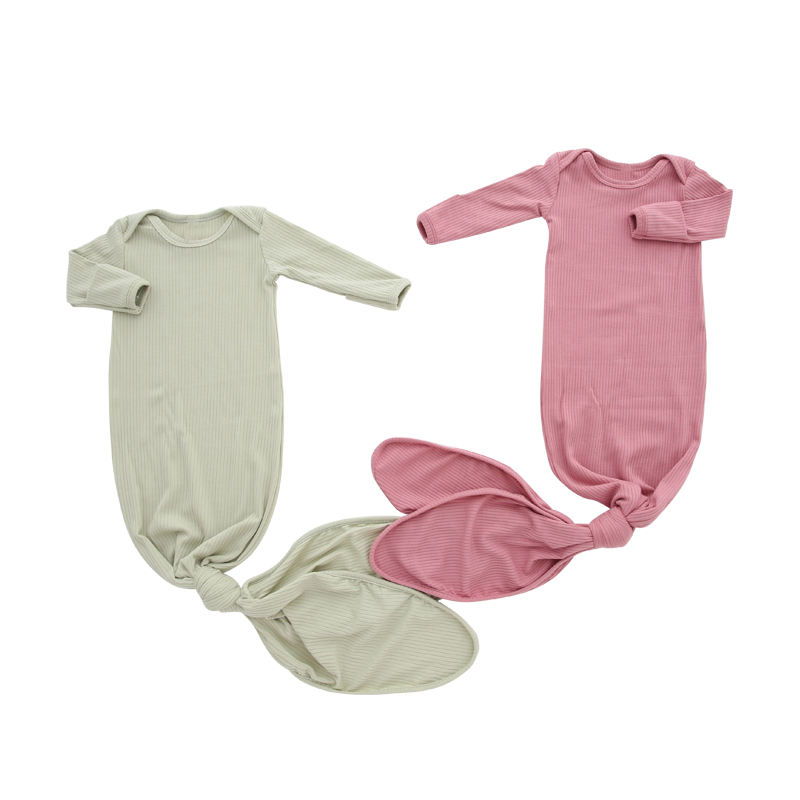
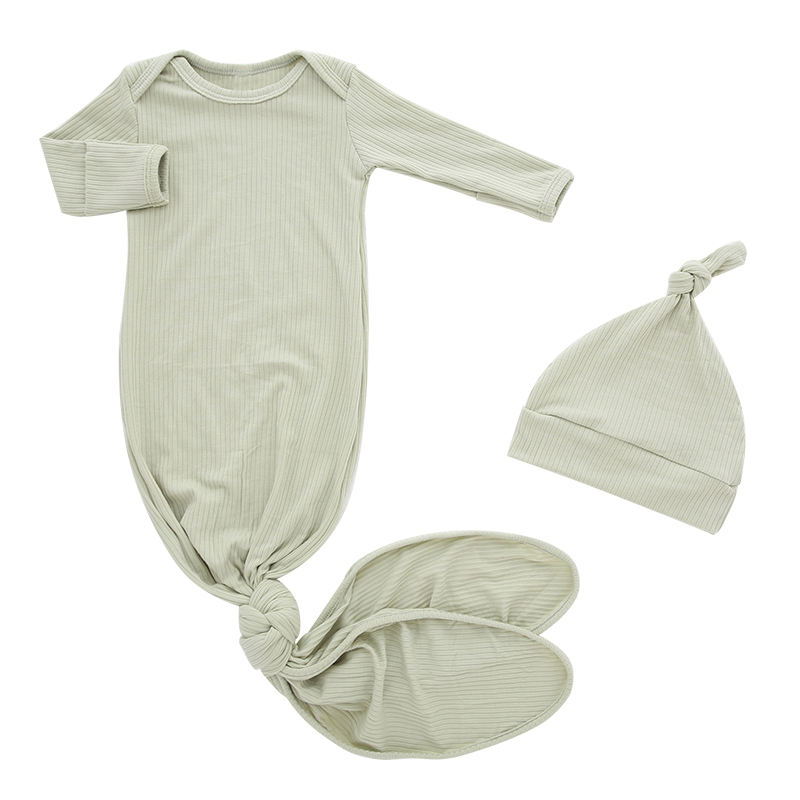
A baby gown is a simple piece of clothing that looks like a long dress for infants. Unlike a regular sleeper that has snaps or zippers all the way down the legs, a gown is open at the bottom. This design is not a flaw. It is the main feature. The open bottom allows you to lift the gown and change a diaper without taking the whole garment off the baby. For newborns, who need diaper changes every two to three hours around the clock, this convenience is a lifesaver.
The typical baby gown is made from soft, breathable materials like cotton or bamboo. Many gowns include fold-over cuffs that turn into mittens. These mittens prevent the baby from scratching their own face, which is a common problem because newborns have little control over their hands. Some gowns also have elastic at the hem, which keeps the fabric from riding up too high while still allowing easy access for diaper changes.
Parents often keep three to four gowns in rotation during the first two months. They are ideal for nighttime because you can change a diaper in near darkness without fumbling with tiny snaps. During the day, gowns work well for skin-to-skin contact and supervised lounging. The main limitation is that gowns do not provide much warmth for the legs and feet. For cooler weather, you will need to layer socks or use a swaddle over the gown.
Once your baby reaches three to four months of age, their sleep patterns begin to change. They start sleeping for longer stretches, sometimes five to six hours at a time. They also begin to move around more in the crib. A newborn who stays in one position will eventually become a baby who rolls, scoots, and kicks. At this stage, a Baby sleeping Bag becomes a superior option for overnight sleep.
A baby sleeping bag is a wearable blanket. It has armholes and a zipper that runs up the front or side, but the bottom is sealed like a bag. This design keeps the baby's legs and feet completely covered and warm. Unlike a loose blanket, which the American Academy of Pediatrics warns against for infants under one year old, a sleeping bag cannot be kicked off or pulled over the face. This makes it a much safer choice for unsupervised sleep.
Sleeping bags come in different thickness levels, which are measured in "tog." A 0.5 tog sleeping bag is very thin and suitable for hot summer nights when the room temperature is above 24°C (75°F). A 1.0 tog bag works for typical room temperatures between 21°C and 23°C (70°F to 74°F). A 2.5 tog bag is the thickest and should only be used in cold rooms below 18°C (64°F). Many parents buy two sleeping bags: one lightweight and one medium-weight, so they can adjust to seasonal changes.
The main downside of a sleeping bag is the inconvenience for diaper changes. You usually have to unzip from the bottom or take the whole bag off. This is not a big problem for older babies who sleep through the night, but it can be frustrating for younger babies who still wake frequently. That is why many families start with gowns and switch to sleeping bags around the four-month mark.


While gowns and sleeping bags focus on sleep, feeding requires its own special tool. Baby Bibs are one of the most used but least discussed baby items. A good bib protects the baby's clothing from drool, spit-up, pureed vegetables, and breastmilk spills. Without a bib, you could easily go through five or six outfit changes in a single day. With a bib, you might only need one or two.
There are several types of bibs, each suited for a different stage. Bandana bibs are lightweight and fashionable. They are best for light drooling during the two to four month period when babies start teething but are not yet eating solids. They come in soft cotton or bamboo and often have snap closures. Silicone bibs are heavier and have a scoop at the bottom to catch falling food. These are ideal for babies six months and older who are eating purees and finger foods. Finally, full-coverage bibs with long sleeves are useful for messy meals like spaghetti or yogurt.
You should own at least eight to twelve bibs. This may sound like a lot, but bibs get wet, stained, and dirty quickly. It is common to use three or four bibs in a single day. Look for bibs that are machine washable and dry quickly. Avoid bibs with too much Velcro, because Velcro can scratch a baby's delicate chin over time.
The table below summarizes the key differences between the three items. Note that none of the keywords in this table are hyperlinked, as required.
| Product Type | Main Purpose | Suitable Age | Nighttime Diaper Change Convenience | Warmth | Recommended Quantity |
| Baby Gowns | Quick nighttime diaper changes | 0-6 months | Very High | Low to Medium | 3-4 pieces |
| Baby Sleeping Bag | Safe and warm sleep | 3-24 months | Low | High (adjustable thickness) | 2 pieces (different togs) |
| Baby Bibs | Stain and drool protection | 0-24 months | N/A | N/A | 8-12 pieces |
New parents often wonder whether they need all three items. The honest answer is yes, but at different times. Here is a practical timeline you can follow.
During the first two months, prioritize Baby Gowns. Your baby will need diaper changes every two to three hours, day and night. Gowns make this process much faster. Use a swaddle or a lightweight blanket over the gown for warmth during naps. Keep a stack of bibs nearby because newborns spit up frequently.
From three to four months, begin introducing a Baby sleeping Bag for nighttime sleep only. Continue using gowns for daytime naps and lounging. At this age, your baby may start drooling heavily due to teething. Use bandana bibs throughout the day to protect the gowns from drool stains.
From five months onward, sleeping bags can become the primary sleepwear for both naps and nighttime. Gowns may still be useful for quick changes during the day, but many parents stop using them around six months. Bibs become even more important once you introduce solid foods. Switch to silicone bibs with crumb catchers for mealtimes.
Even experienced parents make mistakes with these items. Avoid the following:
Using a sleeping bag that is too big. A loose sleeping bag can ride up over the face, which is dangerous. Always follow the manufacturer's weight and height guidelines.
Forgetting to remove the bib before naps. A wet bib left on during sleep can cause chin rashes or skin irritation.
Buying too few bibs. If you have only four bibs, you will run out every single day. Buy at least eight.
Using a gown without leg covering in a cold room. Gowns leave legs exposed. If the room is below 20°C (68°F), add socks or use a sleeping bag instead.
If you are building a baby registry or shopping for your first child, start with three gowns, two sleeping bags (one lightweight, one medium-weight), and twelve bibs. This combination will cover you from birth through the first year. Use the gowns heavily in the first two months. Transition to sleeping bags as your baby becomes more mobile. Use bibs every single day from the beginning.
Investing in quality items matters. Look for gowns made from 100% cotton or bamboo. Choose sleeping bags with two-way zippers for easier diaper changes. Select bibs that are free from harmful dyes and chemicals. Your baby will spend most of their first year either sleeping or eating. Making both activities more comfortable and less messy will improve life for everyone in the family.


