
- All
- Product Name
- Product Keyword
- Product Model
- Product Summary
- Product Description
- Multi Field Search
Views: 1 Author: Site Editor Publish Time: 2026-08-29 Origin: Site
Parents want the softest, safest fabrics touching their baby's delicate skin—and bamboo has quickly become the material they trust most. Bamboo baby clothing feels gentle, breathes well, and holds up to countless washes. But not all bamboo garments are created equal, and knowing what to look for can save you time, money, and worry.
At Jianbao Star, a professional manufacturer of bamboo and organic cotton clothing since 1995, we've spent nearly three decades perfecting the craft of infant apparel. In this guide, we'll walk you through why bamboo is a smart choice, how it compares to other fabrics, and what to consider before you buy. Whether you're a parent shopping for a few pieces or a retailer sourcing in bulk, you'll leave with a clearer picture of what makes quality bamboo clothing worth the investment.
Bamboo fiber is prized for its silky feel and breathability. It naturally wicks moisture away from the skin, which helps keep babies dry and comfortable through nap time and play. Because it regulates temperature well, it works across seasons—cool in summer heat, cozy in cooler months.
There's also the health angle. Bamboo is naturally hypoallergenic and gentle on sensitive skin, making it a favorite for babies prone to rashes or irritation. Add its eco-friendly reputation, and it's easy to see why demand keeps rising. If you're just starting to explore Bamboo Baby Clothes, understanding these core benefits is the best place to begin.
At Jianbao Star, our garments use blends like 95% bamboo and 5% spandex, giving each piece a soft stretch that moves with your baby.
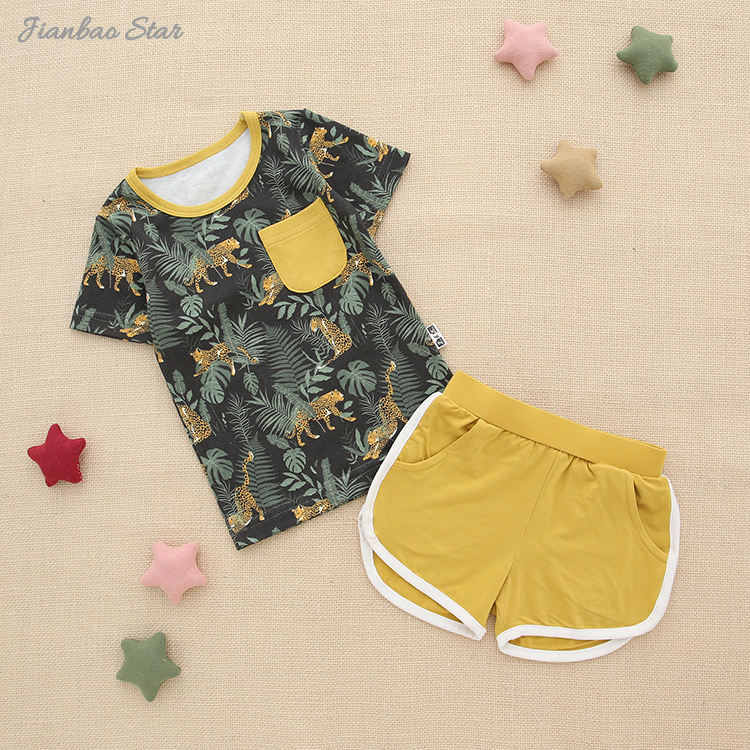
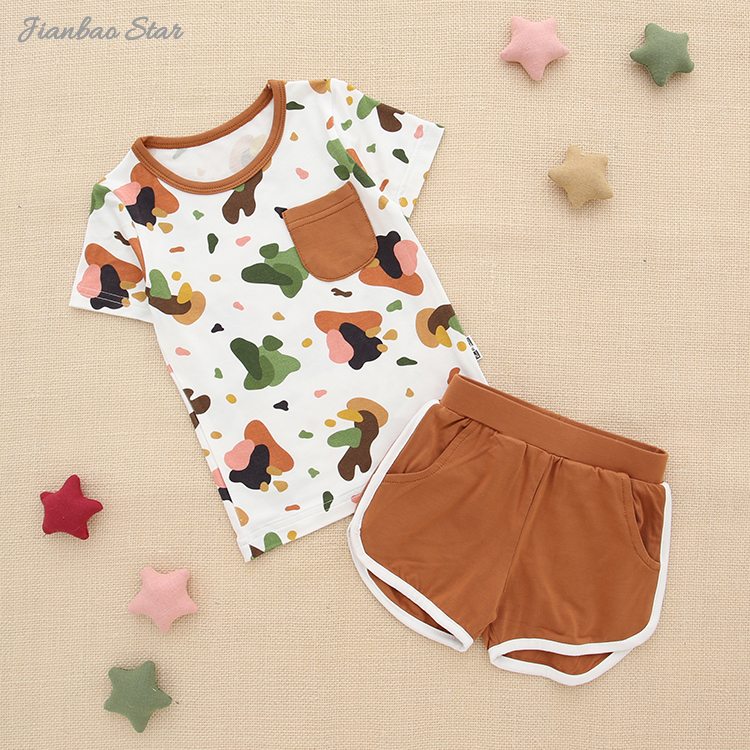
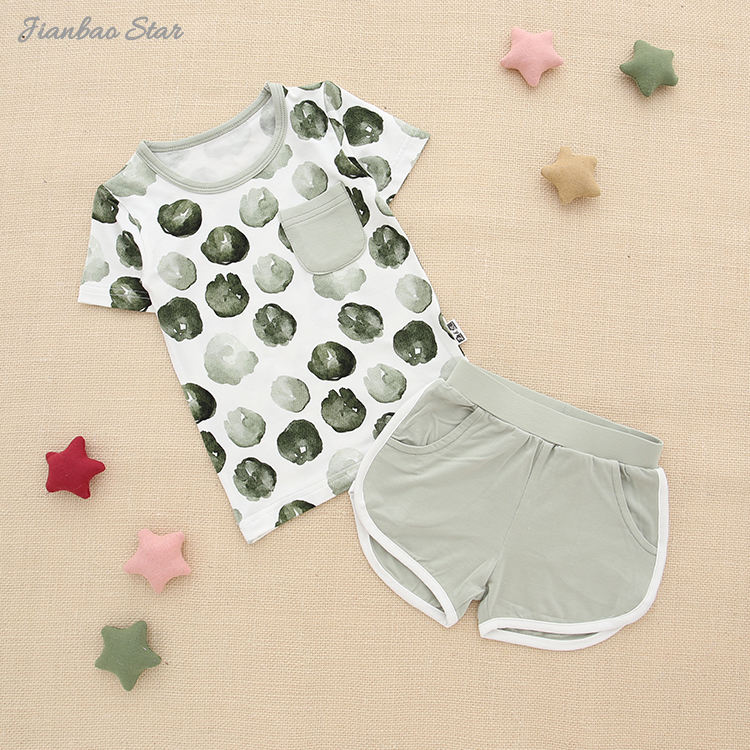
Choosing baby clothing often comes down to comparing fabrics. Each has its strengths, but bamboo tends to outperform conventional options in the areas parents care about most. Here's a quick side-by-side look:
Feature | Bamboo | Conventional Cotton | Polyester |
|---|---|---|---|
Softness | Very high | Moderate | Low to moderate |
Breathability | Excellent | Good | Poor |
Moisture-wicking | Excellent | Moderate | Poor |
Temperature regulation | Natural | Limited | Limited |
Hypoallergenic | Yes | Sometimes | No |
Eco-friendly | Yes | Depends on farming | No |
As the table shows, bamboo leads in comfort and skin-friendliness. Cotton remains a solid, familiar choice, but it can trap moisture and feel warmer. Polyester is durable and cheap, yet it lacks the breathability babies need. For families who prioritize comfort and sensitive skin, bamboo is usually the clear winner.
Sourcing baby apparel for a store or online shop is a different challenge than shopping for one child. You need consistent quality, reliable stock, and pricing that protects your margins. This is where working directly with a manufacturer pays off.
Jianbao Star operates an independent factory of roughly 4,500 square meters and has passed SGS certification, giving buyers confidence in both quality and safety standards. We offer OEM printing, custom colors, and a wide product range—rompers, clothing sets, sleeping bags, dresses, and more. For businesses seeking wholesale bamboo baby clothes, that flexibility means you can build a lineup tailored to your customers.
Buying factory-direct also keeps costs down. Skipping the middleman is one of the easiest ways to secure affordable bamboo baby clothes without sacrificing the softness and safety parents expect.


Not every garment labeled "bamboo" delivers the same experience. Keep these points in mind as you shop or source:
Check the blend. A high bamboo percentage usually means a softer, more breathable garment.
Look for certifications. Third-party testing, like SGS, signals that safety standards are met.
Prioritize easy dressing. Two-way zippers, wooden buttons, and stretchy fabric make changing a wriggling baby far easier.
Consider the season. Long-sleeve sets and layered sleeping bags suit cooler months, while lightweight rompers shine in summer.
Mind the fit. Room to grow is good, but overly loose sleepwear can be a safety concern.
Following these guidelines helps you avoid low-quality knockoffs and invest in pieces that last.
Bamboo clothing brings together everything parents look for: softness, breathability, safety, and sustainability. It's gentle on delicate skin and kind to the planet—a rare combination worth choosing.
If you're ready to explore quality options, take a closer look at Jianbao Star's collection. Our decades of experience, certified factory, and custom manufacturing make us a dependable partner for parents and retailers alike. Browse our range or reach out to our team to find the perfect pieces for the little ones in your life.
Is bamboo fabric safe for newborns?
Yes. Bamboo is naturally hypoallergenic and exceptionally soft, which makes it well suited to a newborn's sensitive skin. Choosing garments from a certified manufacturer, like Jianbao Star with its SGS certification, adds another layer of reassurance.
How should I wash bamboo baby clothes?
Machine wash on a gentle cycle with mild detergent and cool or warm water. Avoid harsh bleach and high-heat drying to preserve the fabric's softness and stretch over time.
Are bamboo garments worth the price?
For most families, yes. While bamboo can cost more than basic cotton, its durability, comfort, and skin-friendly properties often make it the better long-term value. Buying factory-direct also helps keep prices reasonable.


