
- All
- Product Name
- Product Keyword
- Product Model
- Product Summary
- Product Description
- Multi Field Search
Views: 8 Author: Site Editor Publish Time: 2026-08-07 Origin: Site
TL;DR:
Bamboo fabric has become a top choice for baby clothing due to its exceptional softness, breathability, hypoallergenic properties, and eco-friendly credentials. Compared to conventional cotton, bamboo offers better moisture-wicking and natural temperature regulation—making it particularly well-suited for newborns and babies with sensitive skin.
Choosing the right fabric for a newborn is one of those decisions that feels small but matters more than most parents expect. Babies spend nearly all day in their clothes—eating, sleeping, rolling, crying—and the wrong material can lead to rashes, overheating, and restless nights for everyone involved.
That's exactly why bamboo has gained so much traction in recent years. Parents searching for baby clothes bamboo options are growing in number, and the reasons go far beyond a passing trend. Bamboo fabric offers a genuinely compelling combination of comfort, safety, and sustainability that few other materials can match.
This post breaks down exactly what makes bamboo such a strong choice, how it compares to other popular fabrics, and what to look for when shopping for bamboo baby garments.


Bamboo fabric—typically processed into bamboo viscose or bamboo rayon—is derived from the fast-growing bamboo plant. The resulting textile is remarkably fine in texture, often described as a cross between silk and cashmere. For babies, whose skin is significantly more sensitive than adults', this translates into less friction, less irritation, and more comfort throughout the day and night.
Beyond softness, bamboo fabric has several functional advantages. It naturally wicks moisture away from the skin, which helps prevent the dampness that can lead to rashes. It also regulates temperature more effectively than most synthetic fabrics, keeping babies cooler in summer and warmer in winter. These qualities make bamboo particularly valuable for newborns, who cannot yet regulate their own body temperature.
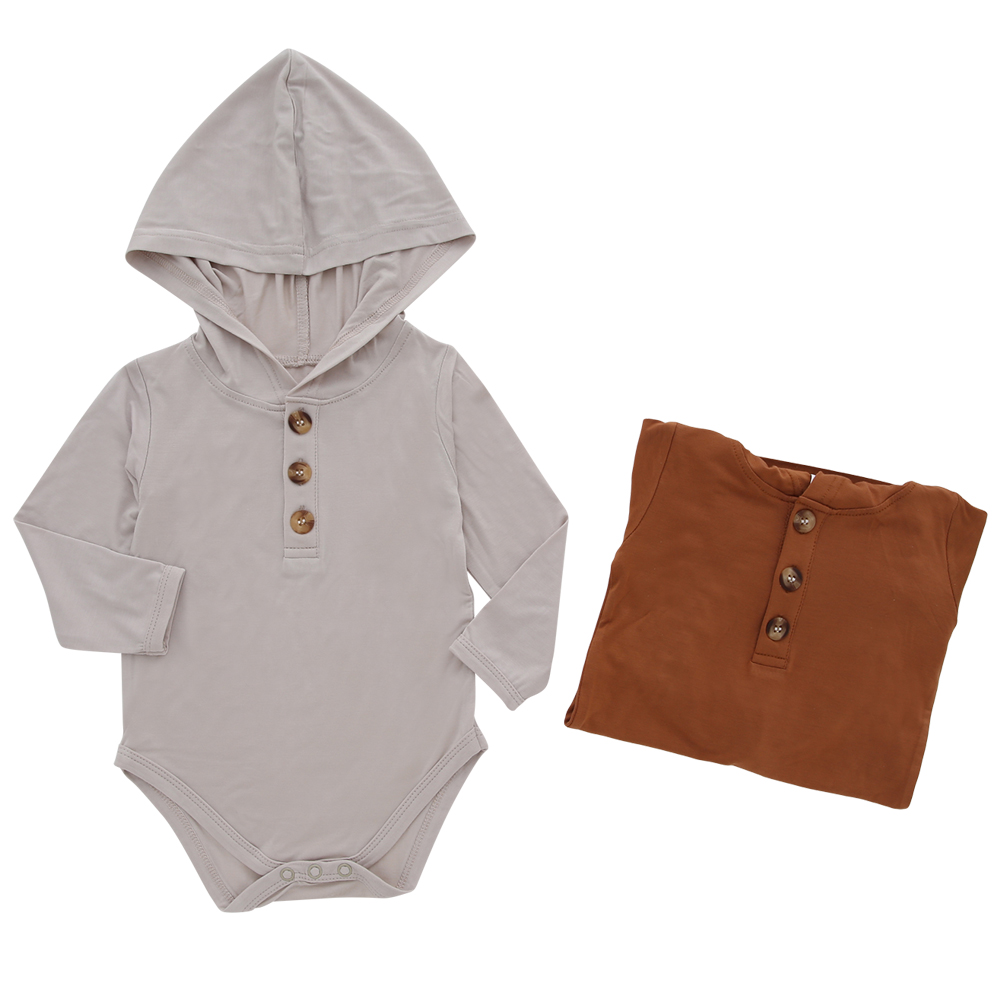

The table below outlines how bamboo stacks up against two other common baby clothing materials—organic cotton and polyester—across the criteria that matter most to parents.
Feature | Bamboo | Organic Cotton | Polyester |
|---|---|---|---|
Softness | Very high | High | Medium |
Breathability | Excellent | Good | Poor |
Moisture-wicking | Excellent | Moderate | Moderate |
Hypoallergenic | Yes | Generally yes | No |
Eco-friendliness | High | High | Low |
Durability | High | High | Very high |
Temperature regulation | Excellent | Good | Poor |
Price point | Medium–high | Medium | Low |
Organic cotton remains a strong alternative, particularly for parents who want a more familiar material with a well-established track record. However, bamboo consistently outperforms cotton in breathability and moisture management—two factors that directly affect how comfortable a baby feels during sleep and active play.
Polyester, while durable and inexpensive, falls short in almost every comfort category. It traps heat, doesn't breathe well, and offers no hypoallergenic benefits. For everyday baby wear, polyester is generally the least suitable option.
Eczema and skin sensitivity affect a significant portion of infants. According to the American Academy of Dermatology, atopic dermatitis (eczema) affects up to 25% of children, with symptoms often appearing in the first six months of life. Fabric choice plays a direct role in managing flare-ups.
Bamboo's naturally smooth fiber structure means there are no rough ends to irritate the skin—unlike some processed cotton blends. Baby Bamboo Clothing from reputable manufacturers is typically free from harsh chemical treatments, which further reduces the risk of allergic reactions. For parents managing eczema or simply wanting to minimize skin irritation, bamboo is often the first recommendation from pediatric dermatologists.
Not all bamboo clothing is created equally. Here's what to check before purchasing:
Fabric composition: Look for at least 95% bamboo viscose, ideally blended with a small percentage of spandex (around 5%) for stretch and shape retention.
Certifications: OEKO-TEX Standard 100 certification confirms the fabric has been tested for harmful substances. SGS certification is another strong indicator of quality control.
Construction: Flat seams and tag-free designs reduce friction points against delicate skin.
Care instructions: High-quality bamboo fabric should be machine washable and hold its softness after repeated washing.
Jianbao Star—a manufacturer established in 1995 with over 30 years of experience in infant apparel—produces bamboo baby garments across a full range of categories, from rompers and pajama sets to sleeping bags and dresses. All products are manufactured at the company's Guangdong facility, which spans over 8,000 square meters and has passed SGS certification. For parents or wholesale buyers looking for consistently soft baby clothes at factory-direct pricing, Jianbao Star offers both OEM customization and ready-to-ship styles across its full product catalog.
Bamboo grows without pesticides, requires no irrigation beyond natural rainfall, and regenerates rapidly after harvesting—some species grow up to 91 cm per day. As a raw material for textiles, it has a considerably lower environmental footprint than conventionally grown cotton, which is one of the most pesticide-intensive crops in the world.
This makes bamboo baby clothing a practical choice for parents who want to reduce their environmental impact without compromising on quality. The durability of well-made bamboo fabric also means garments hold up through multiple children or repeated hand-me-downs, reducing waste further.
Bamboo fabric offers a clear combination of benefits—comfort, breathability, hypoallergenic properties, and sustainability—that makes it one of the strongest choices for baby clothing. It performs particularly well for newborns, babies with sensitive skin, and families looking for eco-conscious options.
For parents ready to explore bamboo baby garments, Jianbao Star's full product range covers everything from newborn rompers to toddler pajama sets, all available in customizable styles and colors. Browse the complete collection at jianbaostar.com or contact the team directly to discuss wholesale and OEM options.
Yes. Bamboo viscose fabric is widely considered safe for newborns. It is naturally hypoallergenic, free from rough fiber ends, and—when certified by standards like OEKO-TEX 100—confirmed to be free from harmful chemical residues. Always check that the garment you purchase carries a recognized certification.
Most bamboo baby garments are machine washable on a gentle or delicate cycle with cold or warm water. Avoid high-heat drying, as excessive heat can break down bamboo fibers over time. Air drying or low-heat tumble drying is recommended to preserve softness.
Yes. Bamboo fabric's natural thermal regulation properties allow it to adapt to ambient temperature. It keeps babies cool in warm conditions by wicking moisture and allowing airflow, and provides a light insulating layer in cooler temperatures. This makes it suitable for year-round use.
Bamboo viscose (also called bamboo rayon) is the most common form used in baby clothing. It is produced by chemically processing bamboo pulp into fine fibers, resulting in a soft, silk-like fabric. Bamboo linen is mechanically processed and retains more of the plant's natural texture—it is less soft but more durable. For baby clothing, bamboo viscose is the preferred choice.
For most parents, yes. Bamboo baby clothing typically costs more upfront than standard cotton options, but its durability, superior comfort, and hypoallergenic properties justify the investment. Garments made from quality bamboo fabric often outlast cheaper alternatives and can be passed down to younger siblings without significant loss of softness.


