
- All
- Product Name
- Product Keyword
- Product Model
- Product Summary
- Product Description
- Multi Field Search
Views: 3 Author: Site Editor Publish Time: 2026-06-18 Origin: Site
TL;DR:
Selecting safe infant apparel requires prioritizing breathable materials like organic cotton and bamboo. Jianbao Star Garments recommends choosing garments with secure closures, appropriate thermal ratings, and flexible fits. Proper fabric selection minimizes skin irritation and ensures infants remain completely comfortable during both active daytime play and nighttime rest.
Dressing a newborn involves much more than simply choosing cute patterns. Infant skin is exceptionally delicate, making fabric safety, breathability, and functionality the top priorities for parents. Manufacturers must adhere to strict guidelines to produce items that do not irritate sensitive skin or pose safety risks.
Jiangmen Jianbaostar Garments Co., Ltd., established in 1995, specializes in creating natural, organic, and eco-friendly infant apparel. The company utilizes materials like bamboo viscose and 100% cotton to produce garments that meet rigorous safety standards. Understanding the specific benefits of different garment styles helps parents build a practical, comfortable wardrobe for their growing children.
This comprehensive guide explores the best materials for infant apparel, explains the utility of various clothing designs, and provides actionable advice for selecting the most appropriate items for your child's daily routine.

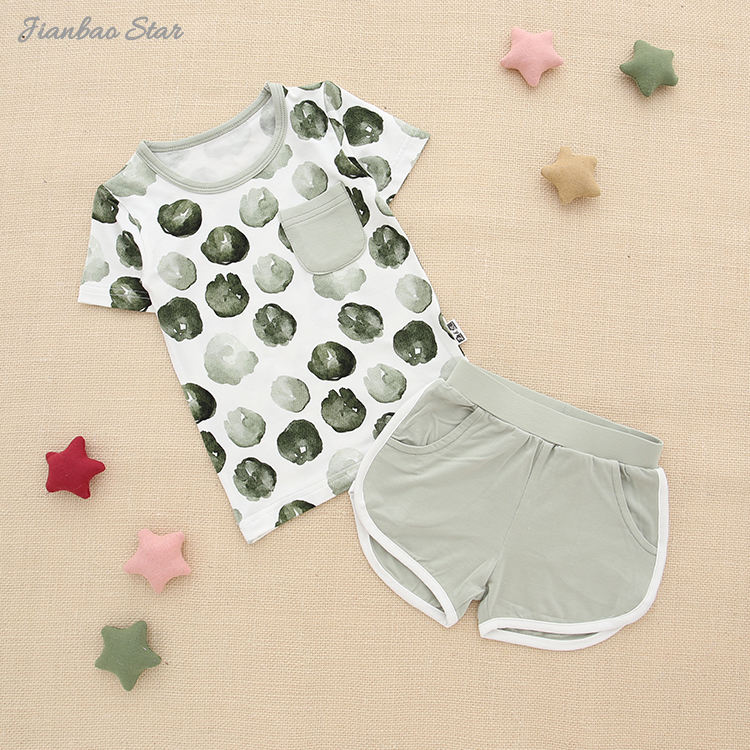
Fabric selection directly impacts an infant's daily comfort and overall skin health. Synthetic materials often trap heat and moisture, leading to uncomfortable rashes and disrupted sleep. Conversely, natural fibers allow air circulation and absorb moisture effectively.
According to Jianbao Star Garments [2024], using fabrics like 95% bamboo and 5% spandex provides the necessary flexibility for active toddlers while maintaining extreme softness. Bamboo fabric is naturally hypoallergenic and highly breathable, making it an excellent choice for everyday wear. Cotton remains another staple in infant manufacturing due to its durability and ease of washing. Parents looking to streamline daily outfit coordination often invest in high-quality Baby Clothing sets that utilize these organic blends to ensure top-tier comfort.
Choose organic cotton if durability and frequent washing are your primary concerns. Opt for bamboo blends if you need maximum softness and moisture-wicking properties for warmer climates.
Frequent diaper changes are an unavoidable reality of early parenthood. Clothing that complicates this process causes unnecessary frustration for both the caregiver and the child. Garments designed with accessibility in mind significantly reduce the time spent on the changing table.
Outfits featuring two-way zippers or strategically placed wooden buttons allow parents to access the diaper without entirely undressing the infant. This is particularly crucial during nighttime changes, where keeping the upper body warm helps the infant return to sleep faster. A well-designed pair of Baby Rompers offers this exact convenience, combining a top and bottom into a single, easily manageable piece of clothing.
Sleepwear requires special attention because infants cannot regulate their body temperature as effectively as adults. Loose bedding poses a significant risk in the crib, meaning the clothing itself must provide adequate warmth. Wearable blankets and sleep sacks serve as the safest alternatives to traditional blankets. Ensure the sleepwear has a snug fit around the neck and armholes to prevent the fabric from riding up over the face.
Building a functional nursery wardrobe means understanding when to use specific types of garments. The table below outlines the primary use cases and benefits of common infant clothing categories.
Garment Category | Primary Use Case | Key Benefits |
Infant Gowns | Nighttime sleep and newborn resting | Open bottoms allow for instant diaper access; loose fit prevents constriction. |
Two-Piece Suits | Active daytime play and outings | Allows for separate sizing of tops and bottoms; easy to swap out a soiled shirt. |
One-Piece Jumpsuits | All-day wear and crawling | Prevents shirts from riding up; provides full-body coverage and warmth. |
Wearable Blankets | Unsupervised sleep in a crib | Eliminates the need for loose blankets; maintains consistent body temperature. |


The environmental impact of the textile industry is substantial, but sustainable manufacturing practices offer a responsible alternative. Companies that prioritize eco-friendly production methods reduce chemical runoff and lower carbon footprints. More importantly for parents, these practices result in clothing free from harsh dyes and toxic finishing agents.
When purchasing special occasion wear, such as a formal Baby Dress, verifying the manufacturer's commitment to sustainability guarantees that the garment is safe for prolonged skin contact. Jianbao Star Garments, a verified Gold Plus Supplier, emphasizes sustainable sourcing by utilizing organic cotton and bamboo. This dedication protects both the environment and the health of the infants wearing the products.
Selecting infant apparel goes far beyond aesthetics. By focusing on natural fabrics, practical designs for diaper changes, and safe sleepwear options, parents can significantly improve their child's daily comfort. Prioritize garments from manufacturers with a proven track record of safety and sustainability. Evaluate your current nursery wardrobe and consider integrating more bamboo and organic cotton pieces to ensure your infant experiences the highest level of care.
Thermal ratings, often referred to as TOG (Thermal Overall Grade), indicate how warm a garment is. Choose a 0.5 to 1.0 TOG rating for warm summer nights (above 75°F or 24°C). Select a 2.5 TOG rating for standard winter room temperatures (61°F to 68°F or 16°C to 20°C).
Clothing is too tight if it leaves red marks on the infant's skin, particularly around the waist, thighs, or shoulders. Additionally, if the fabric restricts the infant's ability to fully extend their arms and legs during play, you should size up immediately.
Synthetic fabrics like polyester do not allow the skin to breathe effectively. This lack of airflow traps sweat against the skin, which frequently leads to heat rash, eczema flare-ups, and general discomfort for the newborn.
Outerwear that does not touch the skin directly, such as heavy coats or thick sweaters, only needs washing when visibly soiled or once every few weeks. However, base layers and garments that sit directly against the skin must be washed after every single use to maintain hygiene.


