
- All
- Product Name
- Product Keyword
- Product Model
- Product Summary
- Product Description
- Multi Field Search
Views: 0 Author: Site Editor Publish Time: 2026-09-27 Origin: Site
Sourcing baby clothing for your retail business or online store means balancing three things: quality, cost, and reliability. This gets even trickier when you're looking specifically at bamboo fabrics, which have surged in popularity but vary widely in quality across manufacturers. If you've been searching for wholesale bamboo baby clothes without a clear roadmap, you're not alone.
Bamboo has become the go-to fabric for parents who want something soft, breathable, and gentle on delicate skin. Retailers have taken notice, and demand for bamboo baby clothing lines continues to climb across markets in North America, Europe, and beyond. But finding a supplier who can deliver consistent quality at scale, without the sourcing headaches, requires knowing what to look for.
This guide breaks down everything you need to know before placing your first (or next) bulk order. We'll cover why bamboo fabric stands out, how to vet suppliers, what questions to ask before signing a contract, and how to keep your costs down without sacrificing quality.
Bamboo-derived fabric, typically bamboo viscose or bamboo cotton blends, has a few standout qualities that make it ideal for infant wear:
Softness: Bamboo fibers are naturally smooth, reducing friction against a baby's sensitive skin.
Breathability: The fabric wicks moisture and regulates temperature, which helps prevent overheating and rashes.
Sustainability: Bamboo grows quickly and requires less water than cotton, appealing to environmentally-conscious parents.
Durability: Despite its softness, bamboo fabric holds up well to repeated washing, an important factor for baby clothes that get washed constantly.
These qualities explain why so many retailers are expanding their catalogs with affordable bamboo baby clothes instead of sticking to traditional cotton lines.
Not all suppliers are created equal, and the wholesale clothing space has its fair share of inconsistent manufacturers. Here's what separates a dependable partner from a risky one.
A supplier with decades of manufacturing history has likely refined its processes, from fabric sourcing to quality control. Look for companies with an established factory setup rather than middlemen who simply resell products from unknown sources. Established manufacturers can typically provide documentation about their production capacity, certifications, and quality assurance processes.
Baby clothing is held to strict safety standards, and this matters even more when sourcing internationally. Ask potential suppliers about certifications like SGS testing, which verifies that products meet safety and quality benchmarks. Suppliers who've undergone third-party verification, such as being recognized as a verified Gold Plus supplier, tend to have more rigorous internal quality checks.
A strong supplier should offer more than a single product line. Look for a catalog that spans:
Baby clothing sets and pajamas
Rompers and onesies
Dresses and gowns
Sleeping bags and swaddles
Family matching sets
This range matters because it lets you test multiple product categories with one supplier, rather than juggling several vendors and shipping schedules.
For growing businesses, MOQs can make or break a sourcing relationship. Look for a manufacturer that scales pricing based on order volume, so you're not locked into massive upfront commitments before you've tested the market.
Factor | Factory-Direct Supplier | Trading Company / Middleman |
|---|---|---|
Pricing | Generally lower, no markup | Higher due to added margin |
Quality Control | Direct oversight of production | Limited visibility into manufacturing |
Customization | Often more flexible (OEM/private label) | Limited to existing catalog |
Communication | Direct line to production team | Filtered through intermediary |
Lead Times | Typically faster | Can be delayed by extra handling |
Risk Level | Lower, if factory is verified | Higher, depends on middleman reliability |
If your business plans to scale, working directly with a factory that manufactures its own Bamboo Baby Clothes usually gives you more control over cost, customization, and consistency. Choose a trading company only if you need small, varied orders across many product categories and don't have time to manage multiple factory relationships.
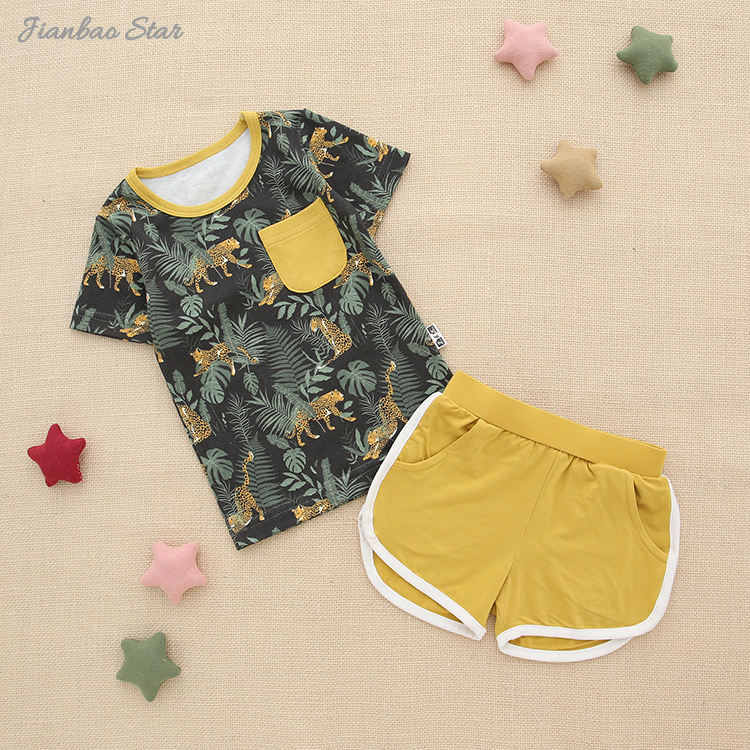
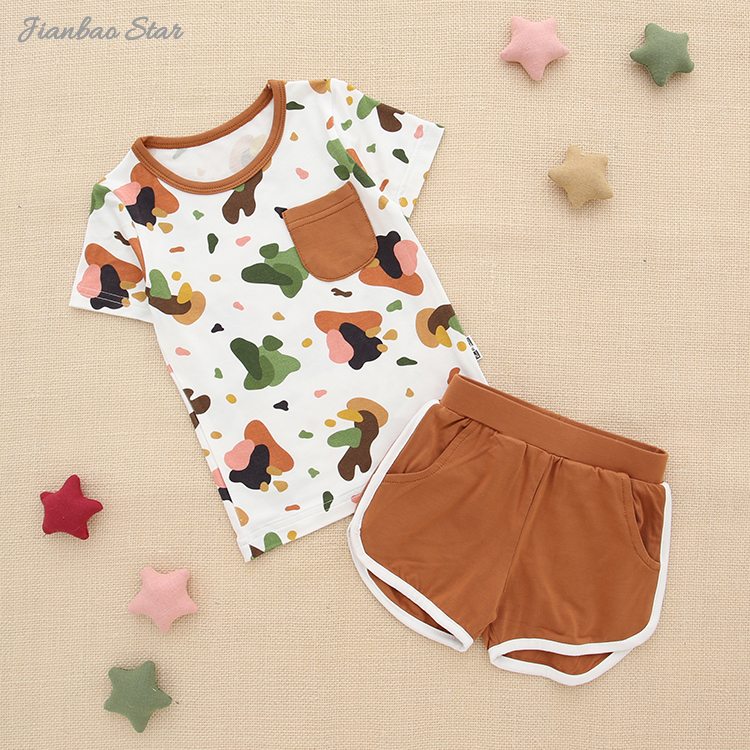
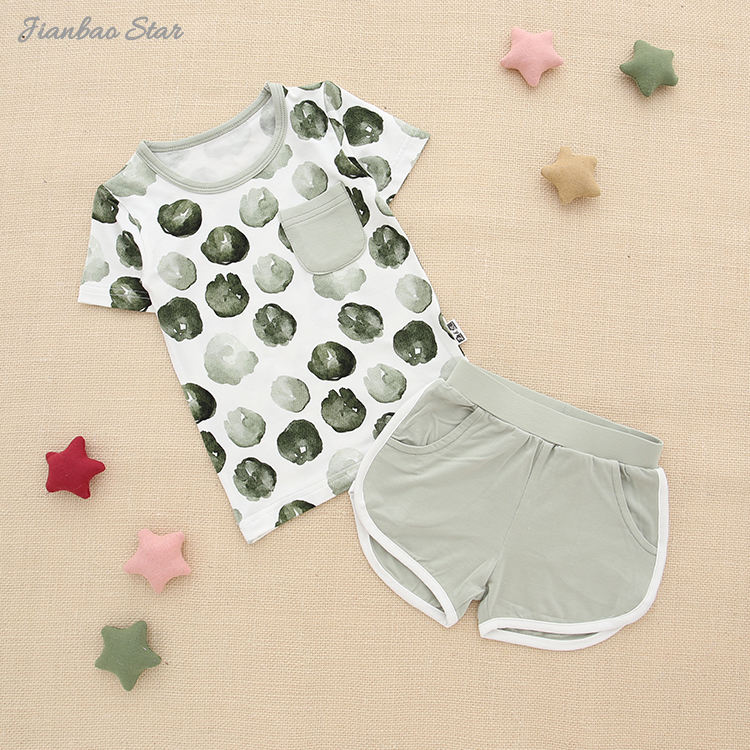
Before committing to a supplier, run through this checklist:
What's your production capacity? A factory with several thousand square meters of manufacturing space can typically handle larger orders without delays.
Can you provide fabric composition details? Ask for exact percentages (e.g., 95% bamboo, 5% spandex) to ensure the blend matches your quality expectations.
What's your average lead time? Factor this into your inventory planning, especially around seasonal demand spikes.
Do you offer OEM or private label services? If branding matters to your business, confirm the supplier can accommodate custom printing, tags, or packaging.
What quality certifications do you hold? This protects your business and reassures your customers.
What's your MOQ, and does it scale with repeat orders? Understanding this upfront prevents surprises during negotiation.
Affordability doesn't have to mean compromising on quality. Here are a few practical ways to manage costs when sourcing bamboo baby clothing at scale:
Consolidate orders across product lines. Ordering rompers, sleeping bags, and clothing sets from a single supplier can reduce shipping costs compared to sourcing each category separately.
Negotiate based on order volume. Many manufacturers offer tiered pricing, so committing to slightly larger quantities can lower your per-unit cost.
Ask about seasonal production schedules. Placing orders during a factory's slower periods can sometimes result in better pricing or faster turnaround.
Request samples before bulk commitments. A small sample order lets you verify fabric quality, stitching, and sizing accuracy before investing in a full production run.
Sourcing bamboo baby clothing wholesale isn't just about finding the lowest price. It's about building a relationship with a manufacturer who understands infant safety standards, delivers consistent quality, and can grow alongside your business.
Look for suppliers with a proven manufacturing history, clear certifications, and a diverse product catalog that spans clothing sets, rompers, dresses, gowns, and sleeping bags. Request samples, ask detailed questions about fabric composition and lead times, and compare factory-direct options against trading companies before making your decision.
Taking the time to vet suppliers thoroughly now will save you from costly quality issues, delayed shipments, and unhappy customers down the road.
What's the difference between bamboo viscose and bamboo cotton blends?
Bamboo viscose is made by processing bamboo fibers into a soft, silky fabric, while bamboo cotton blends combine bamboo fibers with cotton for added durability and structure. Both offer breathability and softness, but blends often hold their shape better after repeated washing.
How do I know if a bamboo baby clothes supplier is trustworthy?
Look for manufacturing history, third-party certifications like SGS testing, verified supplier status on platforms like Alibaba, and a diverse, well-documented product catalog. Requesting samples before a bulk order is also a reliable way to assess quality firsthand.
What's a reasonable minimum order quantity (MOQ) for wholesale bamboo baby clothing?
MOQs vary by supplier and product type, but many factories offer flexible tiers based on order volume. It's worth asking directly, as some manufacturers accommodate smaller test orders for new business relationships.
Is bamboo fabric safe for newborns?
Yes, bamboo fabric is generally considered safe and gentle for newborns due to its natural softness and breathability. That said, always confirm the supplier's certifications and fabric composition to ensure it meets safety standards for infant wear.


